
Laser dentistry · Sandgate, North Brisbane
Laser Dentistry in Sandgate
Our Sandgate clinic has a Fotona LightWalker dental laser, which combines two wavelengths for selected procedures on teeth and soft tissue. We use laser dentistry only when it offers a clinical advantage, and we explain why before we do.
- Fotona LightWalker
- Er:YAG and Nd:YAG
- Used only where it helps
- No special booking needed
Do I need a laser appointment?
Usually not. Book for your dental concern and we will tell you whether laser treatment is relevant.
Book online →What is laser dentistry?
Where we may use laser dentistry in Sandgate
A dental laser produces a concentrated beam of light that interacts with tissue in a controlled way. Different wavelengths act differently on water, tooth and soft tissue, so no single laser suits every procedure. The laser is a tool, not a treatment: we diagnose the problem first, then choose the right technique.
Soft-tissue procedures
Selected gum and soft-tissue procedures, such as reshaping or removing small areas of tissue.
Periodontal care
May form part of selected gum procedures, depending on the type and severity of the condition.
Gum disease treatment →
Selected tooth procedures
Some wavelengths interact with tooth structure and may be considered for decay. Conventional instruments may still be needed.
Root canal applications
Used within selected root canal procedures, as part of treatment rather than a replacement for cleaning, shaping and sealing.
Root canal treatment →
Tongue-tie procedures
Used for selected tongue or frenulum procedures after function and symptoms are assessed.
Tongue-tie treatment →
Other applications
There are many possible uses, but none are needed for every patient. We only suggest a laser where it makes clinical sense.
Our approach
Laser does not automatically mean better
Our principal dentist, Dr Andrew Bachour, believes technology should not decide the treatment. Some procedures suit a laser, others suit conventional instruments, and some use both. The choice depends on the tissue, the size and location of the problem, the goal of treatment and clinical judgement.
Our equipment
The Fotona LightWalker at Dental Seasons
Having two wavelengths in one system lets us choose the right mode for the task. Settings and technique depend on your individual case.
Er:YAG
Strongly absorbed by water, and used for selected hard and soft tissue applications.
Nd:YAG
Interacts with tissue differently, and is associated with selected soft-tissue, periodontal and other applications.
Will it replace the drill?
Not necessarily. A laser may reduce the need for conventional instruments in some procedures, while for others traditional instruments remain the most suitable. Some treatments use both.
What to expect
Is laser dentistry more comfortable?
It depends on the procedure, the tissue involved and how sensitive you are. Some laser procedures involve less mechanical contact than conventional instruments.
Not automatically pain-free
We do not assume laser treatment is painless. Local anaesthetic may still be needed, and we explain what to expect before we start.
Diagnosis comes first
You do not need to choose a laser before booking. We start by working out what is going on.
Why a laser may help
If a laser is appropriate, we explain the reason and the role it plays.
What else is needed
We tell you whether conventional treatment is also required.
Your alternatives
We cover other options and what to expect, so you can decide.
Part of wider care
Lasers alongside gum, tongue-tie and root canal care
In each of these areas a laser can be an extra tool. It does not replace the core steps of good treatment.
Gum treatment
Gum disease ranges from mild inflammation to advanced disease of the supporting structures. Plaque control, daily cleaning, professional cleaning and maintenance remain the foundation.
Gum disease treatment →Tongue-tie
A visible tongue-tie does not automatically need treatment. We assess function, symptoms and age first, and may suggest input from another health professional.
Tongue-tie treatment →Root canal treatment
Root canal treatment removes inflamed or infected tissue, then cleans, shapes and seals the canals. A laser may assist in selected cases but does not replace these steps.
Root canal treatment →Meet your dentists
Experienced, highly qualified and genuinely kind
All of our dentists are registered with Ahpra and keep learning well beyond their degrees, so you get thoughtful, up-to-date care.
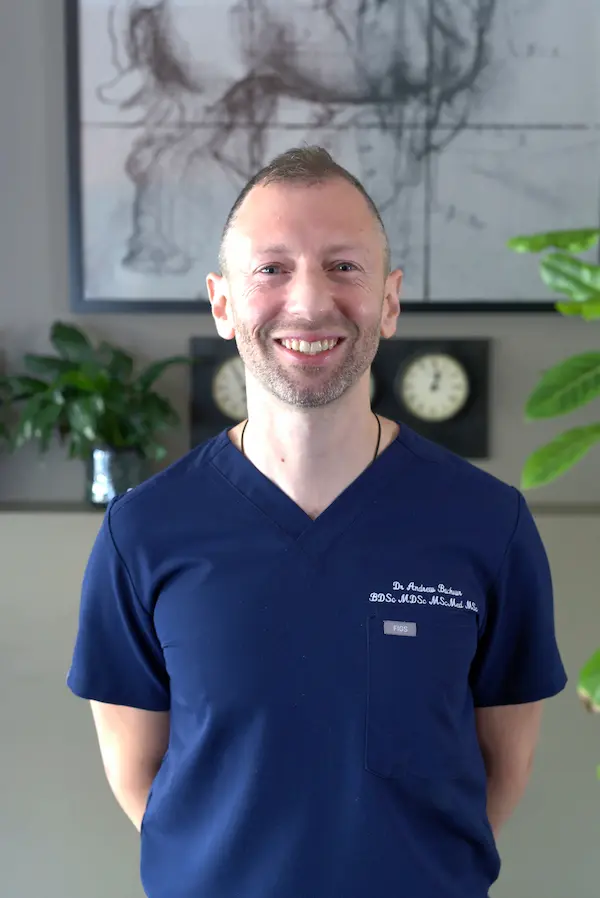
Dr Andrew Bachour
Principal Dentist
BDSc (Hons, UQ). Master’s degrees in Orthodontics & Dentofacial Orthopaedics and in Sleep Medicine. Special interest in TMJ, orofacial pain and airway health.
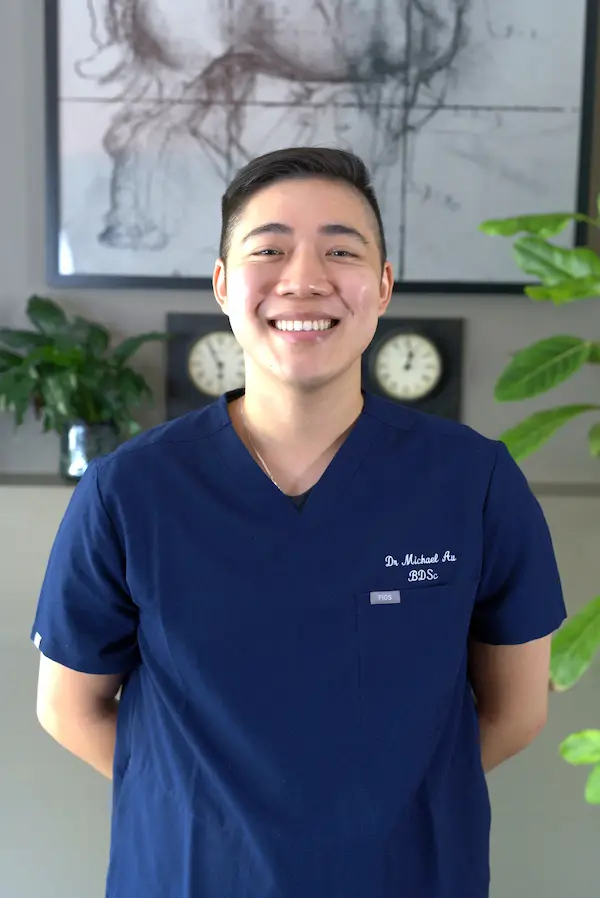
Dr Michael Au
Dentist
BDSc (Hons, UQ). Known for his gentle touch and clear explanations, with advanced training in restorative dentistry and full-mouth rehabilitation.
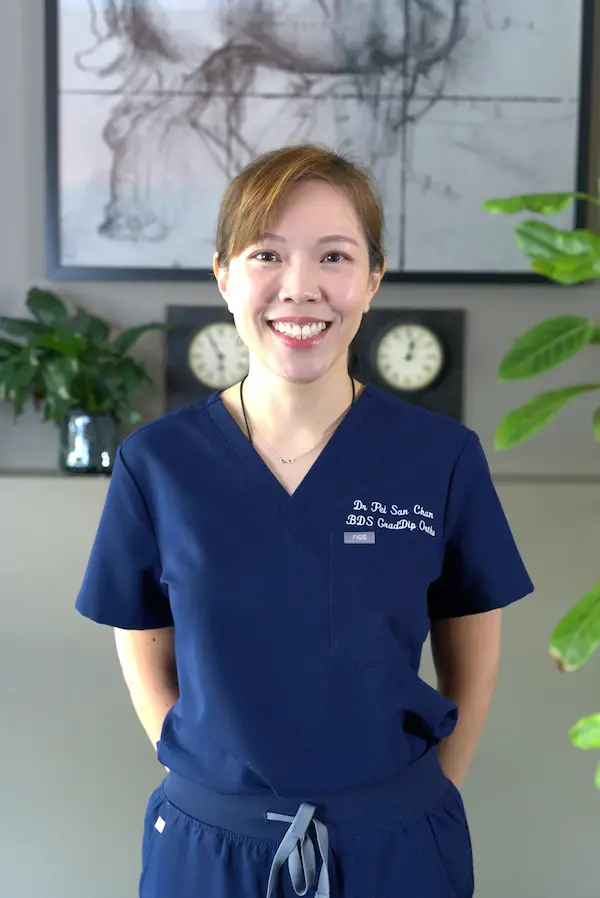
Dr Pei San Chan
Dentist
BDS (Adelaide), GradDip Orthodontics (JCU), DipOrtho (UJI). Warm, calm care for patients of all ages, including children and orthodontics.
Visit us
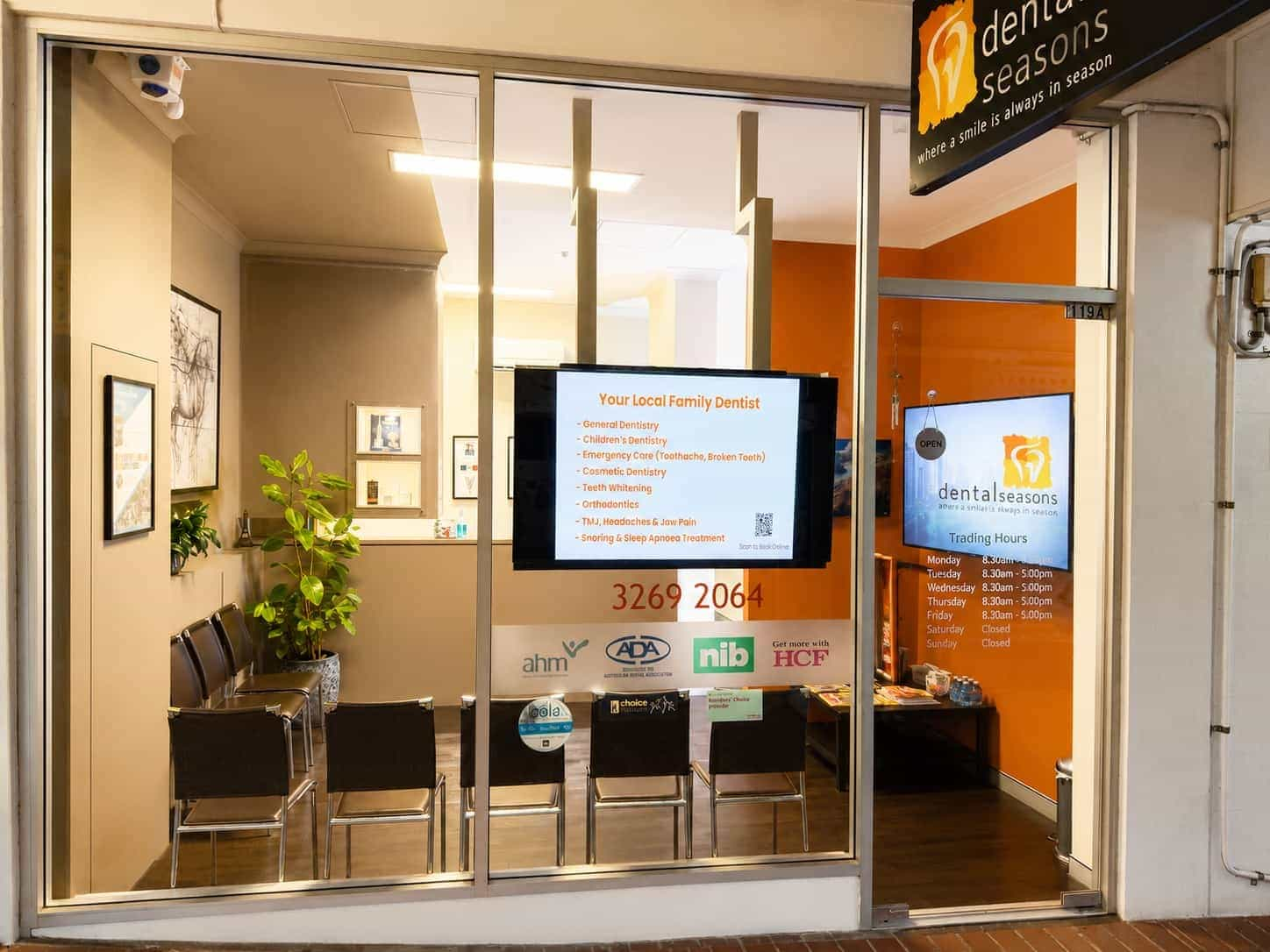
Find us on Brighton Road, Sandgate
119A Brighton RoadSandgate QLD 4017
FAQs
Laser dentistry questions
What type of dental laser does Dental Seasons use?
A Fotona LightWalker, which combines Er:YAG and Nd:YAG wavelengths for selected hard and soft tissue applications.
Is laser dentistry painless?
No treatment is pain-free for everyone. Your experience depends on the procedure and on you. Lasers may involve less mechanical contact, but local anaesthetic may still be used.
Can a laser replace the dental drill?
Sometimes it can reduce the use of conventional instruments, but drills and other instruments are still needed for many treatments, often together with a laser.
Can laser dentistry treat gum disease?
It can be an extra tool in selected gum procedures, but it does not replace plaque control, professional cleaning and ongoing periodontal care.
Can a dental laser be used for tongue-tie treatment?
Yes, for selected frenulum procedures, after we assess function, symptoms and whether treatment is appropriate.
Is laser dentistry suitable for children?
It can be used in selected procedures for children, depending on the treatment, the child and the circumstances.
Does every patient receive laser treatment?
No. The laser is one of several tools, and we only use it when it is appropriate.
Do I need to book a specific laser appointment?
Usually not. Book for your dental concern and your dentist will decide whether laser treatment is relevant.
Interested in laser-assisted care?
You do not need to know whether a laser suits you before booking. Visit us in Sandgate, near Shorncliffe, Brighton, Deagon and Boondall, and we will explain your options.