TMJ, Jaw & Sleep-Related Dental Care in Sandgate
Jaw pain, tooth grinding, facial muscle tension and sleep-related breathing concerns can have more than one cause.
Dental Seasons provides assessment of dental, jaw and bite-related factors that may contribute to symptoms such as jaw discomfort, clenching, grinding, tooth wear and restricted jaw movement.
Jaw pain, clicking, locking or headaches? See our page on jaw pain and orofacial pain assessment.
Snoring or sleep apnoea? Read about our sleep apnoea and snoring assessments.
For suitable patients, care may include an occlusal splint or a custom mandibular advancement appliance as part of broader sleep-related treatment.
Where medical, physiotherapy, sleep physician, ENT or other assessment is appropriate, we work alongside or refer to the relevant health professional rather than treating every symptom as a dental problem.
New patients welcome.


What are TMJ and temporomandibular disorders?
The temporomandibular joints, commonly called the TMJs, connect the lower jaw to the skull on each side of the face.
Together with the surrounding muscles, these joints allow you to open and close your mouth, chew, speak and move your jaw.
Temporomandibular disorders, or TMD, is a broad term used for problems affecting the jaw joints, the muscles controlling the jaw or both.
Symptoms vary considerably between patients.
Some people mainly experience muscle discomfort.
Others notice joint clicking, limited opening or locking.
Some people have signs of clenching or grinding without significant pain.
An assessment helps determine which structures appear to be involved and whether dental care, conservative management or referral to another health professional is appropriate.
Symptoms worth assessing
Jaw pain or tenderness
Pain may be felt around the jaw muscles, in front of the ear or during chewing and opening.
The location and behaviour of the pain can help guide further assessment.
Clicking, popping or locking
Jaw joints can sometimes click or make noises when moving.
A painless click does not automatically require treatment, but locking, restricted movement or pain should be assessed.
Clenching and teeth grinding
Bruxism describes clenching or grinding of the teeth outside normal chewing.
Some people grind during sleep without realising it, while others clench during the day.
Worn, cracked or sensitive teeth
Heavy clenching or grinding can contribute to tooth wear, fractured restorations and sensitivity in some patients.
The teeth should be assessed before deciding whether protection or restorative treatment is needed.
Morning jaw or facial muscle discomfort
Some patients notice stiffness or sore jaw muscles after waking.
This can occur with sleep bruxism, but other causes are also possible and should not be assumed without assessment.
Snoring or diagnosed sleep apnoea
Snoring and obstructive sleep apnoea are medical sleep-related conditions.
Dentistry may form part of treatment for suitable patients through a custom oral appliance, but medical or sleep assessment is important when sleep apnoea is suspected.
Assessment comes before treatment
Jaw and sleep-related concerns can be frustrating, particularly when symptoms have been present for a long time or involve more than one area.
Our aim is to take the time to understand what you are experiencing, explain our findings clearly and determine the most appropriate next step.
Jaw and facial symptoms can arise from different structures and different causes.
A dental assessment may include discussion of your symptoms, jaw movement, bite, tooth wear, previous dental treatment, muscle tenderness and jaw-joint function.
Dental imaging may be useful in selected situations when it is expected to answer a specific clinical question.
Not every TMJ problem requires a splint.
Not every person who grinds their teeth requires treatment.
And not every headache, facial pain or sleep-related symptom comes from the teeth or jaw.
If the findings suggest that another health professional should be involved, we will explain why and discuss an appropriate referral.
Meet Our TeamConservative care for jaw-related symptoms
Many temporomandibular problems can be managed initially with conservative approaches.
Depending on your symptoms and diagnosis, this may include changing habits that aggravate the jaw, reducing excessive chewing, avoiding very wide opening and allowing irritated muscles and joints time to settle.
Physiotherapy, medical care or other approaches may also be appropriate depending on the problem.
For selected patients, a dental splint may be considered.
The purpose and design of the appliance depends on what we are trying to achieve, so splints should not be treated as a one-size-fits-all solution.
The appropriate approach is based on the individual examination and diagnosis.
Teeth grinding, clenching and tooth protection
Bruxism is the term used for clenching or grinding the teeth outside normal chewing.
It can occur while awake or during sleep.
Some people experience jaw-muscle discomfort or headaches, while others mainly show dental signs such as worn teeth, cracks or damaged fillings.
Not everyone who grinds their teeth needs treatment.
Where ongoing grinding or clenching is contributing to tooth damage or discomfort, a dentist may recommend an occlusal splint to protect the teeth and reduce loading on the jaw structures.
A splint does not necessarily stop the underlying grinding behaviour.
Its role is determined by the individual problem being managed.
Dental care for snoring and obstructive sleep apnoea
Snoring can occur on its own, but it can also be associated with obstructive sleep apnoea.
Read more about sleep apnoea and snoring assessments and jaw pain and orofacial pain assessment.
Obstructive sleep apnoea is a medical sleep disorder in which breathing is repeatedly reduced or interrupted during sleep.
If sleep apnoea is suspected, appropriate medical assessment and usually a sleep study are important before deciding on treatment.
For suitable patients, a custom mandibular advancement appliance may form part of treatment.
These appliances are worn during sleep and hold the lower jaw forward to help maintain a more open upper airway.
They are generally most useful for snoring and selected patients with mild to moderate obstructive sleep apnoea, or in some cases where CPAP cannot be used successfully.
The decision about whether an oral appliance is appropriate should be made as part of coordinated sleep care rather than from dental examination alone.
What is a mandibular advancement appliance?
A mandibular advancement appliance is a custom dental device worn during sleep.
It fits over the upper and lower teeth and positions the lower jaw forward.
This can increase the space behind the tongue and reduce upper-airway obstruction in suitable patients.
The appliance needs to be individually fitted and adjusted.
Follow-up is also important because long-term use can sometimes affect the teeth, bite, jaw joints or jaw muscles.
If you already have a diagnosis of obstructive sleep apnoea and have been advised to consider an oral appliance, we can assess whether your teeth and jaws are suitable for this type of treatment.
Where necessary, we can coordinate with your sleep physician or other treating practitioner.
What if I cannot tolerate CPAP?
CPAP remains a highly effective treatment for obstructive sleep apnoea and is commonly recommended for moderate to severe disease.
Some patients, however, have difficulty using it consistently.
If you have diagnosed obstructive sleep apnoea and cannot tolerate CPAP, discuss this with your sleep physician.
For some people, a custom oral appliance may be considered as an alternative or part of a broader treatment plan.
Whether it is suitable depends on the severity and pattern of your sleep apnoea, your teeth and jaws, and your overall medical situation.
We do not recommend stopping prescribed CPAP treatment without discussing it with your treating sleep physician.
Sometimes the right treatment is not dental treatment
Jaw pain, facial pain and sleep-related symptoms often overlap with areas managed by other healthcare professionals.
Depending on your findings, appropriate care may involve a GP, sleep physician, ENT specialist, physiotherapist, oral and maxillofacial surgeon or another practitioner.
For example, persistent nasal obstruction may need ENT assessment.
A suspected sleep disorder may require a sleep physician and sleep study.
Certain joint conditions or severe locking may require more specialised assessment.
Our role is to identify the dental and jaw-related factors we can assess and recognise when broader care is appropriate.
Imaging and records when clinically appropriate
Jaw and sleep-related assessment should be guided by the clinical question rather than by taking every available scan.
Dental photographs, digital scans and dental X-rays can help document teeth, bite and existing dental conditions.
Dental Seasons also has VATECH GreenX 21 CBCT imaging available at our Sandgate clinic.
Learn more about our 3D CBCT imaging.
CBCT provides three-dimensional information about hard tissues and may be useful for selected dental or craniofacial assessments.
It does not diagnose every TMJ condition or diagnose obstructive sleep apnoea.
Other investigations, including MRI or a medical sleep study, may sometimes provide information that dental imaging cannot.
TMJ and jaw assessment in Sandgate
Dental Seasons is located at 119A Brighton Road, Sandgate QLD 4017.
We see patients with jaw, tooth-grinding and sleep-related dental concerns from Sandgate and surrounding North Brisbane and bayside communities.
Assessment and dental treatment take place through our single Sandgate clinic, with referral or collaboration with other health professionals where broader care is appropriate.
TMJ, grinding and sleep-related dental questions
What is the difference between TMJ and TMD?
TMJ refers to the temporomandibular joint itself. TMD, or temporomandibular disorder, refers to problems affecting the jaw joint, the muscles controlling the jaw or both.
Does jaw clicking mean something is wrong?
Jaw clicking is common and does not always require treatment. If clicking is associated with pain, locking, reduced movement or another change in function, it is worth having the jaw assessed.
Can a dentist help with teeth grinding?
Yes. A dentist can assess the teeth for wear or damage, examine the jaw and discuss whether treatment is appropriate. For some patients, an occlusal splint may be recommended to help protect the teeth.
Does a splint stop teeth grinding?
Not necessarily. A dental splint may protect the teeth and help manage certain symptoms, but it does not always eliminate the underlying grinding or clenching behaviour.
Can teeth grinding be linked with sleep apnoea?
Sleep bruxism can occur alongside obstructive sleep apnoea in some people. If there are signs or symptoms suggesting a sleep disorder, medical or sleep assessment may be recommended.
Can Dental Seasons diagnose sleep apnoea?
Obstructive sleep apnoea is a medical sleep disorder. Diagnosis commonly involves medical assessment and a sleep study. Our role is to assess the dental and jaw-related aspects of care and provide suitable oral appliance treatment where appropriate.
Can an oral appliance treat sleep apnoea?
A custom mandibular advancement appliance can be an effective treatment option for selected patients, particularly for snoring and some people with mild to moderate obstructive sleep apnoea. Suitability should be determined as part of appropriate sleep assessment.
Is an oral appliance as effective as CPAP?
CPAP is generally more effective at controlling obstructive sleep apnoea, particularly moderate to severe disease. Some patients may nevertheless benefit from an oral appliance depending on their diagnosis, response to CPAP and individual circumstances.
Can I use an oral appliance if I cannot tolerate CPAP?
Possibly. If you have diagnosed obstructive sleep apnoea and are having difficulty tolerating CPAP, discuss this with your sleep physician. A mandibular advancement appliance may be an alternative for some patients.
Do oral sleep appliances need follow-up?
Yes. Follow-up allows the appliance to be adjusted and the teeth, bite, jaw joints and symptoms to be monitored over time.


Have jaw pain, grinding or sleep-related concerns?
The first step is understanding which parts of the problem fall within dental care and whether other health professionals should also be involved. Book an assessment with our Sandgate team and we can examine the dental and jaw-related factors, explain what we find and discuss the appropriate next step.
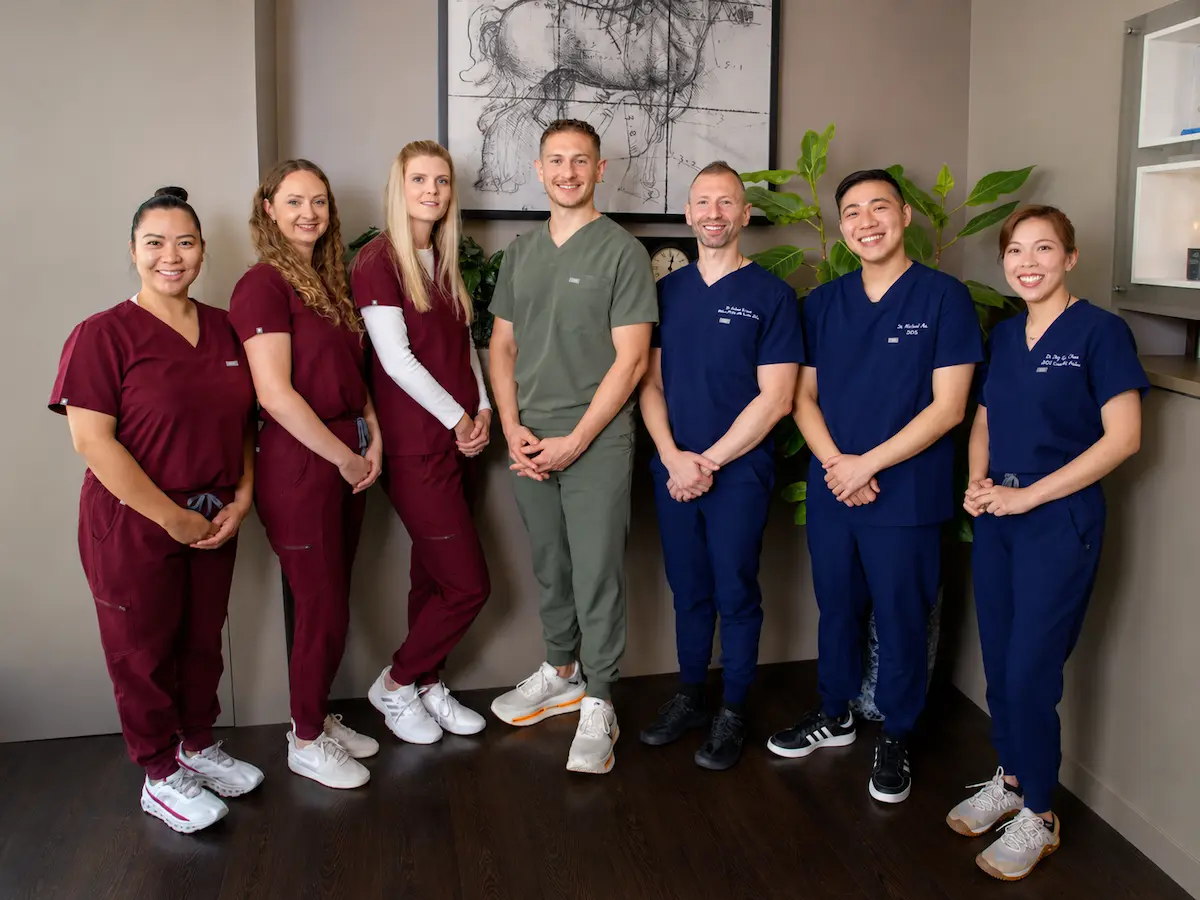
Meet the team behind your assessment
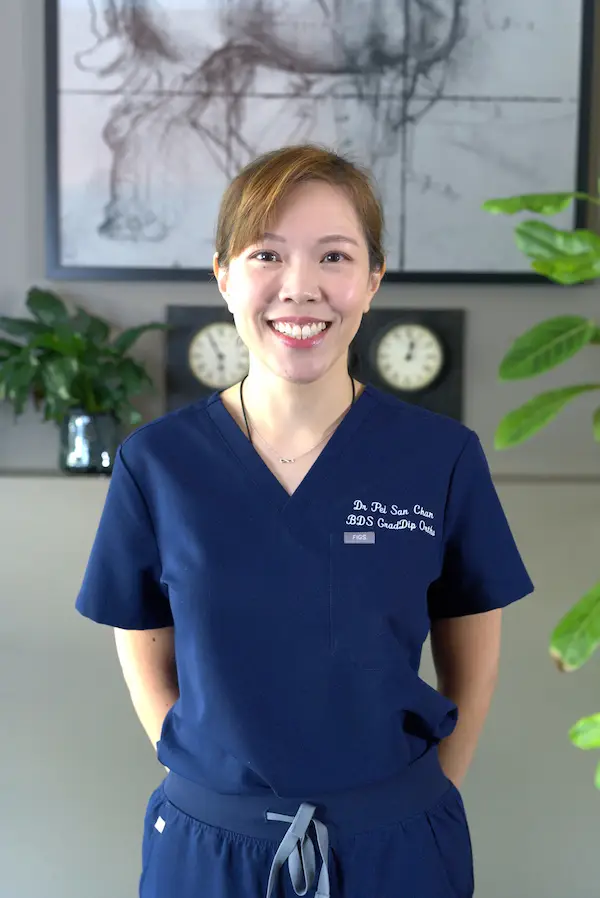
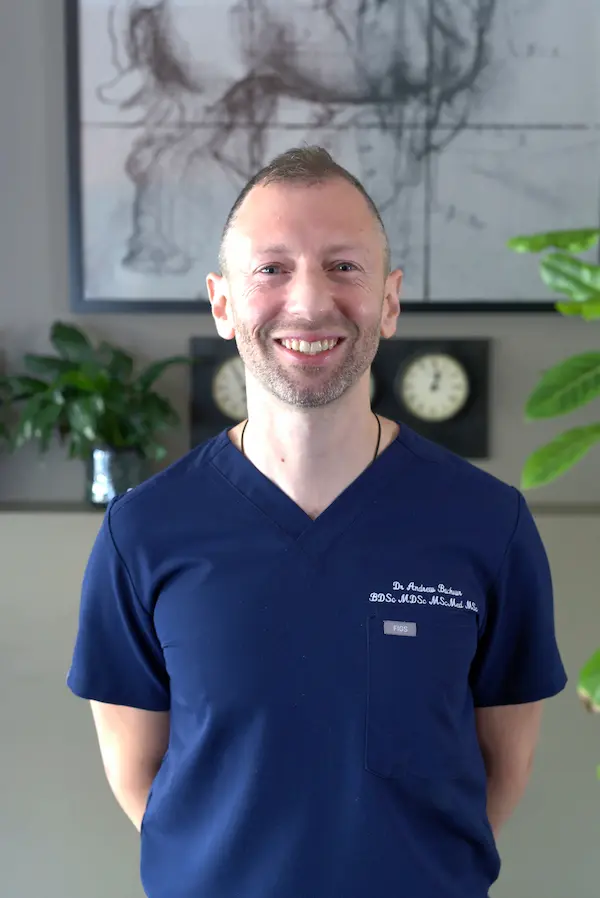
Dr Andrew Bachour has undertaken postgraduate education with particular interests in orthodontics, dentofacial orthopaedics, TMJ and orofacial pain, and sleep-related dental care.
Assessment at Dental Seasons focuses on the dental and jaw-related components of your symptoms, with referral or collaboration where broader medical or allied health care is appropriate.