Wisdom Teeth Removal in Sandgate
Wisdom teeth are the last teeth to come through, usually in the late teens or early twenties. Many people keep them without problems, but some need to be removed.
At Dental Seasons, all of our dentists remove wisdom teeth under local anaesthetic. We assess each tooth individually and explain when removal is, and is not, needed.
Learn more about our on-site 3D CBCT imaging.
If you are in pain, call us. We do our best to see patients in pain on the same day, and if time is limited we will focus on getting you out of pain.
New patients welcome.


What are wisdom teeth?
Wisdom teeth, also called third molars, are the last teeth to develop at the back of the mouth. They usually come through between the late teens and early twenties.
Some people have fewer than four wisdom teeth, and some have none. They can come through normally, partly come through, or stay trapped under the gum or bone. A tooth that is trapped is called impacted.
There is no single rule for wisdom teeth. Whether a tooth should be removed depends on its position, your symptoms and your risk of future problems.
When wisdom teeth cause problems
Pain or swelling
Pain, swelling or tenderness at the back of the mouth is the most common reason people seek help.
Infected gum
Gum around a partly erupted tooth can trap food and become infected. This is called pericoronitis.
Tooth decay
Wisdom teeth are hard to clean, so decay can develop in them or in the tooth in front.
Gum disease and damage to neighbouring teeth
A wisdom tooth pushing against the tooth in front can contribute to decay and gum problems.
Bad taste or breath
A persistent bad taste or bad breath at the back of the mouth can be a sign of infection.
Difficulty opening the mouth
Stiffness or difficulty opening can occur with an infected wisdom tooth and should be assessed promptly.
Not every wisdom tooth needs to come out
Wisdom teeth that are healthy, fully through and easy to clean can often be left in place and monitored at your regular check-ups.
Removal is usually recommended when a tooth is causing, or is likely to cause, problems.
We assess each tooth individually, using imaging, and explain your options, including leaving the tooth and monitoring it.
How we assess your wisdom teeth
We discuss your symptoms, examine your mouth and review imaging.
Ideally we use a 3D CBCT scan, which shows the position of the tooth and its relationship to nearby structures such as nerves in three dimensions. In some cases a standard OPG (panoramic X-ray) may be enough.
Learn more about our 3D CBCT imaging.
We then explain what we found and the options available, which may include leaving the tooth in place and monitoring it.
What does removal involve?
Assessment and imaging
We examine the tooth and take a CBCT scan or OPG so we can plan safely.
Planning and consent
We explain the procedure, the risks and what to expect afterwards, and answer your questions before you decide.
Removal under local anaesthetic
The area is numbed so you should not feel pain. You may feel pressure and movement. Some teeth come out whole, while others need to be divided into sections.
Aftercare and follow-up
You receive post-operative instructions. We call to check in, and we review you if you have any pain.
Local anaesthetic only
All of our dentists remove wisdom teeth, and we use local anaesthetic only. We do not offer sedation or general anaesthetic.
Whether a particular tooth is suited to removal here, or is better managed elsewhere, is decided case by case after assessment.
Recovery and aftercare
Some swelling, soreness and bruising is normal after removal. How long this lasts varies between people and depends on the tooth. Your dentist will give you written post-operative instructions. In general:
- Follow the pain relief advice you are given
- Eat soft, cool foods at first
- Avoid vigorous rinsing, spitting, hot drinks, straws and smoking in the first day
- Keep the area clean as instructed
- Avoid strenuous exercise until you are advised it is safe
We call to check in after your procedure. If you have any pain, we will review you.
Risks and possible complications
Wisdom tooth removal is a common procedure, but all surgery carries risks. These can include:
- Pain, swelling, bruising and bleeding
- Limited mouth opening for a period
- Dry socket, where the blood clot is lost and the socket becomes painful
- Infection
- Temporary, and rarely permanent, numbness or altered feeling in the lip, chin or tongue
- Damage to nearby teeth or fillings
- A connection between the upper socket and the sinus
- A fragment of root being left in place if removing it would be riskier
Your dentist will explain the risks that apply to your teeth before you consent.
When to contact us urgently
Call us if you have:
- Severe or worsening pain after the first few days
- Swelling that is spreading or getting worse
- Bleeding that does not stop with firm pressure
- A fever or a bad taste that is getting worse
Facial swelling with difficulty breathing or swallowing needs urgent medical care. Call 000.
Wisdom teeth that are not causing problems
Some wisdom teeth never cause trouble. If yours are healthy and easy to clean, we may recommend leaving them and checking them regularly. Regular dental check-ups allow us to monitor them and take action early if that changes.
Wisdom teeth removal in Sandgate
Dental Seasons is located at 119A Brighton Road, Sandgate QLD 4017.
We assess and remove wisdom teeth for patients from Sandgate and surrounding North Brisbane and bayside suburbs, including Brighton, Deagon, Shorncliffe, Bracken Ridge, Boondall, Taigum, Nudgee, Zillmere, Fitzgibbon, Banyo, Virginia, Redcliffe, Woody Point, Clontarf, Margate and Newport.
If you are in pain, call us. We do our best to see patients in pain on the same day.
Wisdom teeth removal questions
Do all wisdom teeth need to be removed?
No. Wisdom teeth that are healthy, fully through and easy to clean can often be left in place and monitored. Removal is usually recommended when a tooth is causing, or is likely to cause, problems.
Does wisdom tooth removal hurt?
The area is numbed with local anaesthetic, so you should not feel pain during the procedure. You may feel pressure and movement. Some soreness and swelling afterwards is normal.
Do you offer sedation or general anaesthetic?
No. We remove wisdom teeth under local anaesthetic only. Whether a particular tooth is suited to removal here, or is better managed elsewhere, is decided case by case.
Can I be seen the same day if I am in pain?
Please call us. For any patient in pain, we do our best to see you on the same day. If time is limited, we will focus on getting you out of pain.
Do I need a scan before removal?
We ideally use a 3D CBCT scan, which shows the tooth and nearby structures in three dimensions. In some cases a standard OPG (panoramic X-ray) may be enough.
How long does recovery take?
It varies between people and depends on the tooth. Some swelling, soreness and bruising is normal and usually settles over several days. We give you written instructions, call to check in and review you if you have any pain.
Which dentist will remove my wisdom teeth?
All of our dentists remove wisdom teeth. Your assessment will confirm which dentist is best placed to treat your teeth.
What is dry socket?
Dry socket happens when the blood clot is lost from the socket after an extraction, causing worsening pain a few days later. If your pain gets worse instead of better, contact us so we can review you.
Can I drive home afterwards?
Because we use local anaesthetic only, you are not sedated. Your dentist will advise you about driving, work and activities after your procedure.
What can I eat after wisdom tooth removal?
Soft, cool foods are best at first. Avoid hot drinks, straws and very hard or crunchy foods until your dentist tells you it is safe.


Wisdom tooth trouble?
If you have pain or swelling, or have been told your wisdom teeth may need to come out, book an assessment at Dental Seasons. If you are in pain, call us and we will do our best to see you the same day.
Meet your dentists
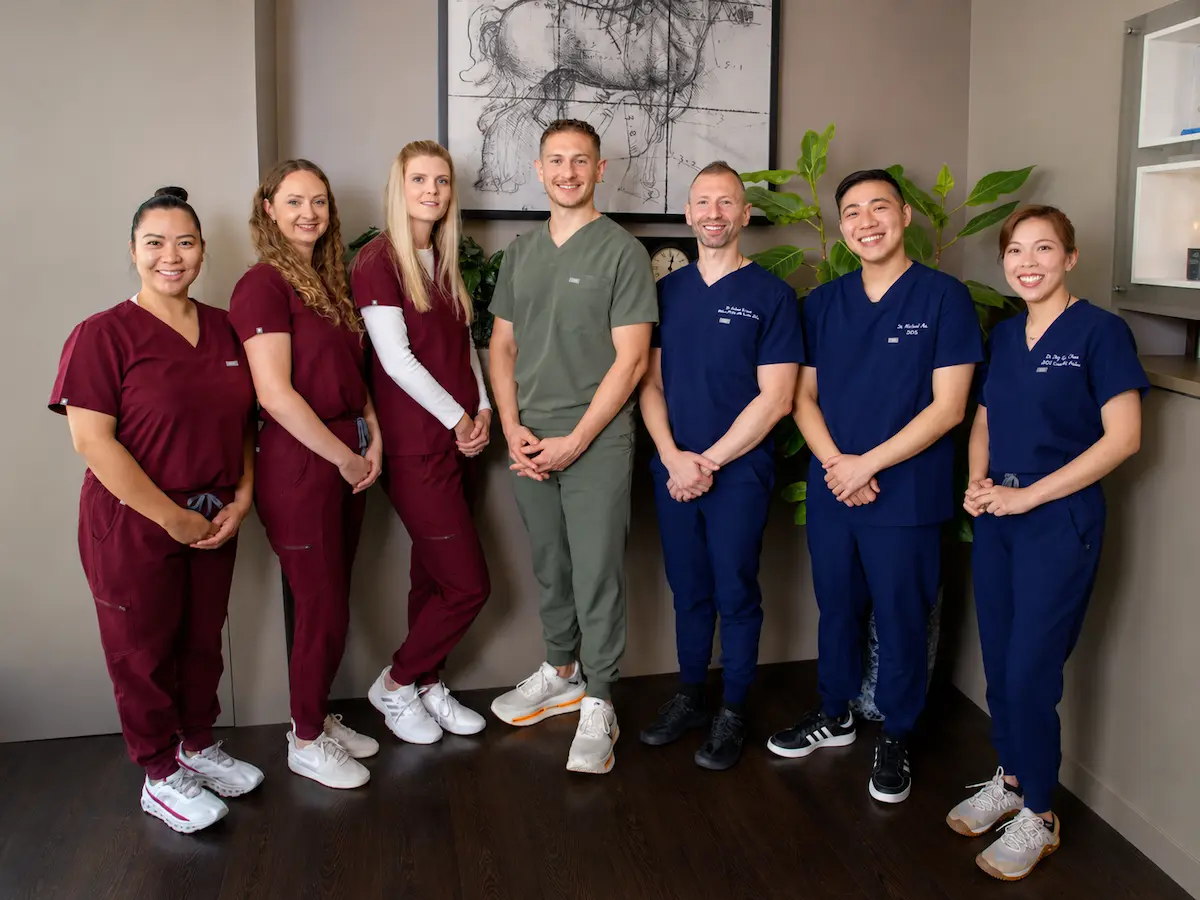
All of our dentists remove wisdom teeth: Dr Andrew Bachour, Dr Michael Au and Dr Pei San Chan. All three are registered dentists with general registration. Check the Ahpra register.