Sleep Apnoea and Snoring Treatment in Sandgate
Snoring and obstructive sleep apnoea both involve the airway narrowing during sleep.
For suitable patients, a custom-made oral appliance can be part of treatment. Dr Andrew Bachour assesses whether an oral appliance is appropriate and works alongside your GP or sleep physician where needed.
Assessment includes our on-site 3D CBCT imaging when it is clinically indicated.
Dentists do not diagnose sleep apnoea. If you think you may have it, speak with your GP about a sleep study and bring the report to your appointment.
New patients welcome.


Snoring and sleep apnoea: what is the difference?
Snoring is the sound made when soft tissues in the throat vibrate as air passes through a narrowed airway during sleep.
Obstructive sleep apnoea (OSA) is a sleep-related breathing disorder in which the airway repeatedly narrows or closes, causing pauses or reductions in breathing.
Many people with sleep apnoea snore, but not everyone who snores has sleep apnoea. Snoring alone cannot tell you which one you have.
Untreated obstructive sleep apnoea is associated with daytime sleepiness and with cardiovascular and other health problems, which is why a proper diagnosis matters.
Signs that should be assessed
Loud or frequent snoring
Snoring that is loud, happens most nights or disturbs a partner is worth discussing with your GP or dentist.
Pauses in breathing
A partner may notice that you stop breathing, gasp or choke during sleep.
Waking unrefreshed
Feeling tired after a full night in bed can be a sign of disrupted sleep.
Daytime sleepiness
Falling asleep at work or struggling to stay alert while driving needs prompt medical review.
Morning headaches or dry mouth
Waking with a headache, dry mouth or sore throat can be linked to disrupted breathing during sleep.
Teeth grinding at night
Night-time grinding can sometimes occur alongside disrupted sleep and is assessed as part of your dental care.
Sleep apnoea needs a medical diagnosis
Snoring and sleep apnoea can look similar, but they are not the same condition. Sleep apnoea is diagnosed with a sleep study that is reviewed by a doctor.
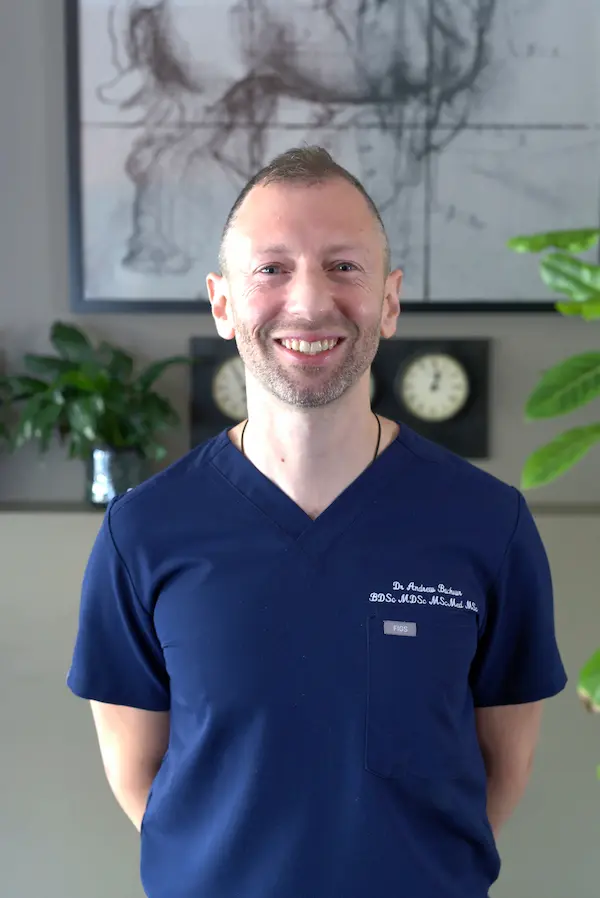
Dr Bachour does not diagnose sleep apnoea. He assesses whether a custom oral appliance is suitable for you and works with your GP or sleep physician where needed.
You do not need a referral to book. If you have not had a sleep study, we recommend speaking with your GP first and bringing your sleep study report to your appointment.
What is a mandibular advancement splint?
A mandibular advancement splint is a custom-made oral appliance worn during sleep. It fits over the upper and lower teeth and holds the lower jaw slightly forward.
Moving the jaw forward can help keep the airway open, which may reduce snoring and, in suitable patients, help treat obstructive sleep apnoea.
At Dental Seasons, appliances are custom-made from scans of your teeth and 3D printed in nylon. The result is a very thin, durable appliance designed to fit your mouth.
Devices bought over the counter or online are not made from scans of your own teeth and are not assessed by a dentist first.
Who may benefit from an oral appliance?
An oral appliance may be considered for:
- People who snore without sleep apnoea
- People with mild to moderate obstructive sleep apnoea, as advised by their doctor
- People who cannot tolerate CPAP or prefer not to use it
- Some people with more severe sleep apnoea, where their sleep physician advises it
For moderate to severe sleep apnoea, CPAP is often recommended first. Your sleep physician and Dr Bachour can discuss whether an oral appliance should be used instead of, or alongside, other treatment.
Who may not be suitable?
An oral appliance may not be suitable if you have:
- Untreated gum disease or loose teeth
- Too few healthy teeth to support the appliance
- Significant jaw joint pain or limited jaw movement
- Sleep apnoea that is not caused by airway obstruction
- Severe sleep apnoea where your sleep physician recommends another treatment first
Children are assessed differently from adults. See the section on children below.
What happens at your assessment?
Initial consultation
Dr Bachour reviews your history, any sleep study report, your general health and symptoms, and examines your teeth, jaw and airway.
Diagnostics appointment
Scans and records are taken to design your appliance. 3D CBCT imaging is used when it is clinically indicated to assess the jaw, teeth and airway.
Fitting your appliance
Your custom-made appliance is fitted and checked. We explain how to wear and care for it and what follow-up is recommended.
Risks and possible side effects
Oral appliances are generally well tolerated, but possible effects include:
- Jaw, muscle or tooth soreness, especially in the first weeks
- Increased saliva or a dry mouth
- Gum irritation
- Changes in how the teeth fit together over time
- Tooth movement
- Jaw joint symptoms in some patients
An oral appliance may reduce snoring or sleep apnoea, but results vary and it does not work for everyone. Some people find they cannot tolerate wearing it.
Contact us if you develop persistent pain or notice your bite changing. Regular review is recommended.
Alternatives to an oral appliance
Depending on your diagnosis, other options may include:
- CPAP (continuous positive airway pressure) therapy
- Weight management, reducing alcohol and changing sleeping position, where relevant
- Treatment of nasal obstruction
- Surgery in selected cases
Your GP or sleep physician can advise which options suit you.
Caring for your appliance
Clean the appliance each morning with a soft brush and cool water, or as advised. Store it dry in its case, keep it away from heat and pets, and bring it to your appointments.
Continue to brush and floss your teeth as normal.
Snoring and sleep problems in children
Children who snore, breathe through their mouth or have disturbed sleep should first be seen by a GP, who may refer them to an ENT specialist or a paediatric sleep physician.
Dental assessment of children is different from adults. Dr Bachour can assess jaw and bite development and, where appropriate, discuss orthodontic options such as expander plates, in coordination with your child’s doctors.
Related jaw and sleep-related care
Sleep problems, jaw pain and night-time grinding can be connected. Read more about teeth grinding and our wider TMJ, jaw and sleep-related care.
Sleep apnoea and snoring care in Sandgate
Dental Seasons is located at 119A Brighton Road, Sandgate QLD 4017.
We provide sleep apnoea and snoring assessments for patients from Sandgate and surrounding North Brisbane and bayside suburbs, including Brighton, Deagon, Shorncliffe, Bracken Ridge, Boondall, Taigum, Nudgee, Zillmere, Fitzgibbon, Banyo, Virginia, Redcliffe, Woody Point, Clontarf, Margate and Newport.
No referral is needed to book. We recommend speaking with your GP first and bringing any sleep study report with you.
Sleep apnoea and snoring questions
Can a dentist treat sleep apnoea?
A dentist cannot diagnose sleep apnoea, but can assess whether an oral appliance is suitable for a patient whose sleep apnoea has been diagnosed. Diagnosis comes from a sleep study reviewed by a doctor.
Do I need a sleep study first?
You can book an assessment without one, but it is best to have a sleep study done and to speak with your GP. Please bring your sleep study report to your appointment.
Do I need a referral?
No referral is needed to book an assessment with Dr Bachour. It helps to speak with your GP first and bring any sleep study report with you.
How does a mandibular advancement splint work?
It holds the lower jaw slightly forward during sleep, which can help keep the airway open. It is made specifically for your teeth.
Will an oral appliance stop my snoring?
It may reduce snoring in many patients, but results vary. Your dentist will review how you are going and explain what to expect.
Is the appliance comfortable to wear?
Our appliances are custom-made from your scans and designed to be thin. Most people need a few weeks to adjust, and some soreness is common at first.
What are the side effects?
Common effects include jaw or tooth soreness, extra saliva or a dry mouth. Bite changes and tooth movement can occur over time, so regular review is important.
How many appointments are needed?
Usually a few: an initial consultation, a diagnostics appointment and a fitting appointment. We will explain any follow-up that is recommended.
Can I buy a snoring mouthguard online instead?
Over-the-counter devices are not made from scans of your teeth and are not assessed by a dentist first. If you snore loudly or stop breathing in your sleep, see your GP, as it could be sleep apnoea.
Do you treat children who snore?
Children who snore or have disturbed sleep should first see their GP. Dr Bachour can assess jaw and bite development and discuss options such as orthodontic expander plates where appropriate.


Concerned about snoring or sleep apnoea?
If you or your partner are concerned about snoring, or you have been told you may have sleep apnoea, the first step is understanding what is happening. Book an assessment with Dr Bachour and bring any sleep study report you have.
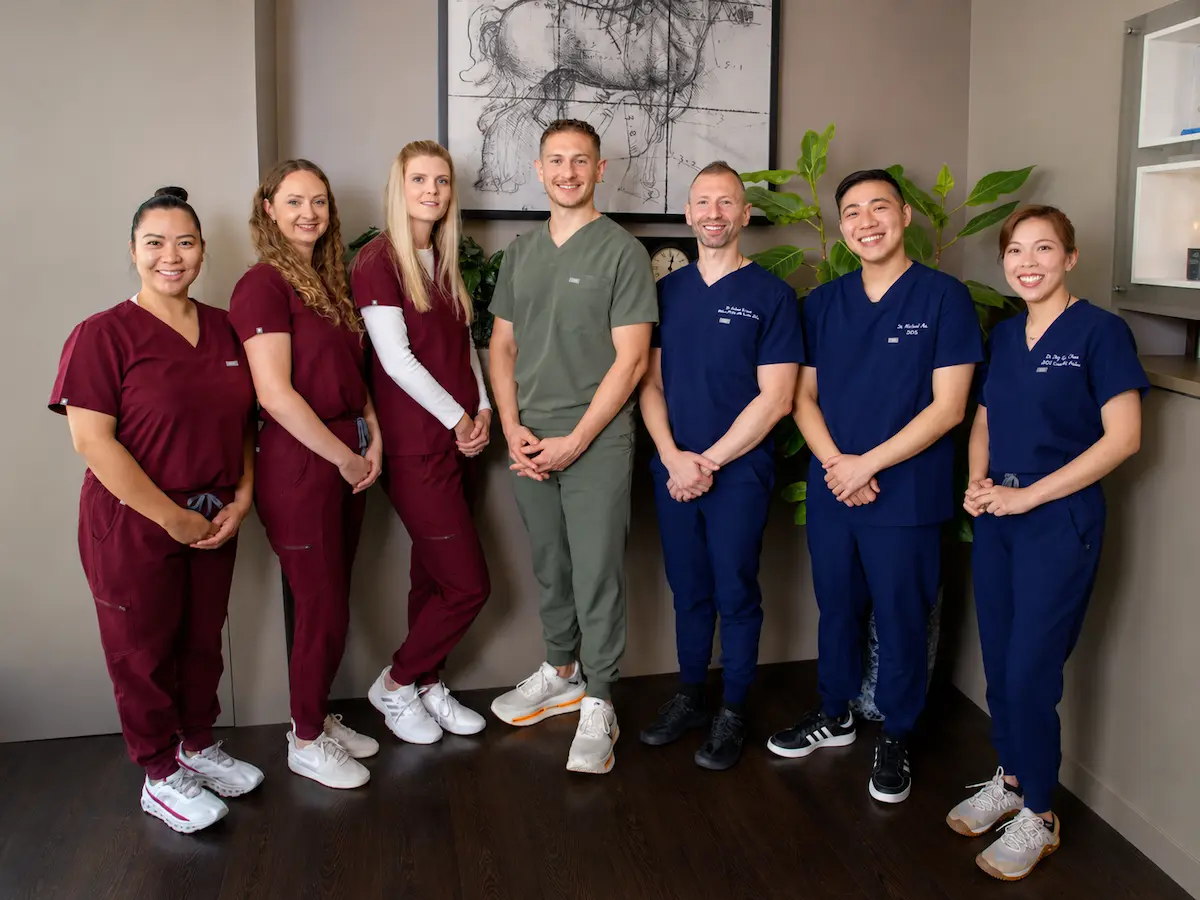
Meet Dr Bachour and the team
Dr Andrew Bachour has a special interest in airway health, TMJ disorders and sleep-related breathing disorders, and holds a master’s degree in Sleep Medicine. He is a registered dentist with general registration (Ahpra DEN0000972458). Check the Ahpra register.
He works with your GP, sleep physician and other health professionals where needed.