
Dentures · Sandgate, North Brisbane
Dentures in Sandgate
Dentures are removable appliances that replace some or all missing teeth, and can help with chewing, speech and appearance. At Dental Seasons in Sandgate we plan partial, complete, immediate and suitable implant-retained dentures around your mouth and your goals.
- Partial and complete
- Immediate dentures
- Implant-retained options
- Adjustments as you adapt
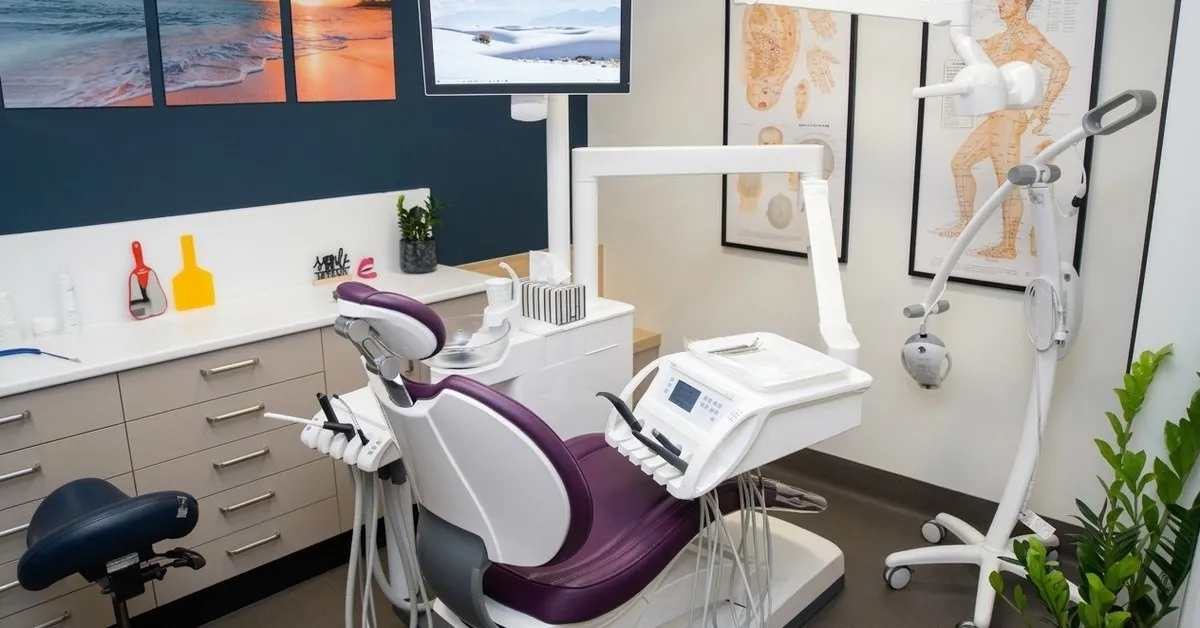
Denture feeling loose?
Gums and bone keep changing after teeth are lost. A denture that keeps coming loose should be checked rather than held in with more and more adhesive.
Why dentures loosen →What is a denture?
Types of dentures we make in Sandgate
A denture is a removable appliance with artificial teeth, custom-made for your mouth. It can replace one tooth, several teeth, or all the teeth in one or both jaws, either as a temporary solution during healing or for the longer term.
Partial dentures
Replace some missing teeth while your natural teeth remain. Clasps or another design help keep them stable.
Complete dentures
Replace all the teeth in one jaw. Fit depends on your gum shape, supporting tissues, saliva and other anatomy.
Immediate dentures
Made before extractions and fitted on the same day. As the gums heal they usually need adjusting, and may later need relining or replacing.
Implant-retained dentures
Implants can help hold a removable denture in place. Suitability depends on bone, medical factors and implant planning.
About implants →
What to expect
How are dentures made?
Dentures usually take several appointments, depending on the type of denture and how complex your treatment is. Follow-up adjustments are a normal part of the process as your mouth adapts.
Book a denture consultationAssessment
We examine your gums, remaining teeth and bite, and talk about your goals.
Necessary dental treatment
Teeth that need fillings, gum treatment or extraction may be treated first.
Records of your mouth
Scans or impressions and bite records are taken to design the denture.
Laboratory stages
A dental laboratory builds your denture in a series of stages.
Trial where appropriate
A trial lets us check tooth position, bite and appearance before the denture is finished.
Fit and adjustments
We fit and check the final denture, then adjust it as needed while you get used to it.
Your choices
Dentures are one option for replacing missing teeth
A denture is not automatically the best choice. The right option depends on how many teeth are missing, your remaining teeth, bone, general health, cost, maintenance, whether you are open to surgery and your own preferences. We explain the advantages and limitations of each.
Getting used to them
Living with new dentures
Adjusting takes time. If a sore spot develops, let us adjust it rather than putting up with it, and never reshape or file a denture yourself.
How they feel at first
A feeling of fullness, extra saliva, changes to your speech, tender areas and a different chewing sensation are all common early on.
Eating with new dentures
Start with softer foods cut into smaller pieces, chew slowly and use both sides. Over time most people can eat a wider range of foods, though dentures do not chew as efficiently as natural teeth.
Take them out at night
Unless your dentist advises otherwise, remove dentures while you sleep. Resting your gums lowers the risk of inflammation and fungal infection.
Book an adjustment →Daily care
How should dentures be cleaned?
Clean dentures keep your mouth healthier and help the denture last. Look after any remaining natural teeth and your gums as well.
Skip the ordinary toothpaste
Regular toothpaste is often too abrasive for acrylic and can scratch the surface. A suitable liquid soap or denture cleaner is usually better.
Take them out first
Always remove your dentures before cleaning them.
Brush morning and night
Use water, a denture brush or a separate toothbrush, and liquid soap or a denture cleaner.
Soak if you like
A denture cleaning solution is an option. Follow the product instructions.
Clean your mouth too
Brush any natural teeth and gently clean your gums separately.
Fit over time
Why can dentures become loose?
Your gums and jawbone keep changing after teeth are lost, so even a well-fitting denture can loosen over several years. Regular check-ups let us look at the fit and condition of your denture and the tissues underneath, even if you have no natural teeth left.
01
Adjustment
Small changes to the denture can ease pressure spots and improve comfort.
02
Reline or rebase
Refitting the surface that sits against your gums can restore a closer fit.
03
A new denture
When a denture is worn or the mouth has changed a lot, replacing it may be the better option.
04
Implant retention
For suitable patients, implants can add retention when a conventional denture is hard to stabilise. This involves surgery and a separate assessment.
Patient reviews
Care that feels considerate
★★★★★
Always so calming and considerate, and make me feel remembered and valued.
★★★★★
Always helpful, friendly and easy to discuss our Tooth and mouth health.
★★★★★
Friendly and professional team who make everyone’s least favourite health task bearable.
Meet your dentists
Experienced, highly qualified and genuinely kind
All of our dentists are registered with Ahpra and keep learning well beyond their degrees, so you get thoughtful, up-to-date care.

Dr Andrew Bachour
Principal Dentist
BDSc (Hons, UQ). Master’s degrees in Orthodontics & Dentofacial Orthopaedics and in Sleep Medicine. Special interest in TMJ, orofacial pain and airway health.
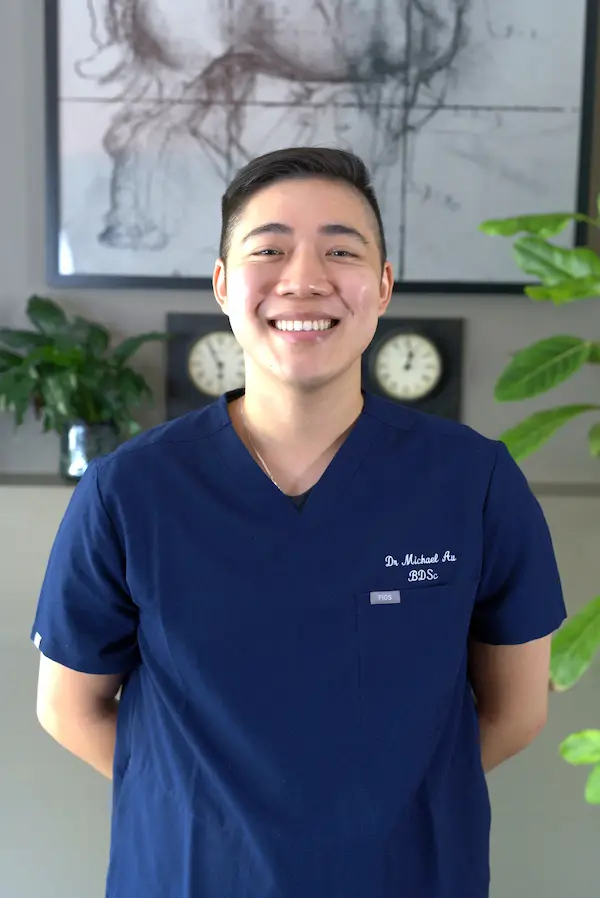
Dr Michael Au
Dentist
BDSc (Hons, UQ). Known for his gentle touch and clear explanations, with advanced training in restorative dentistry and full-mouth rehabilitation.
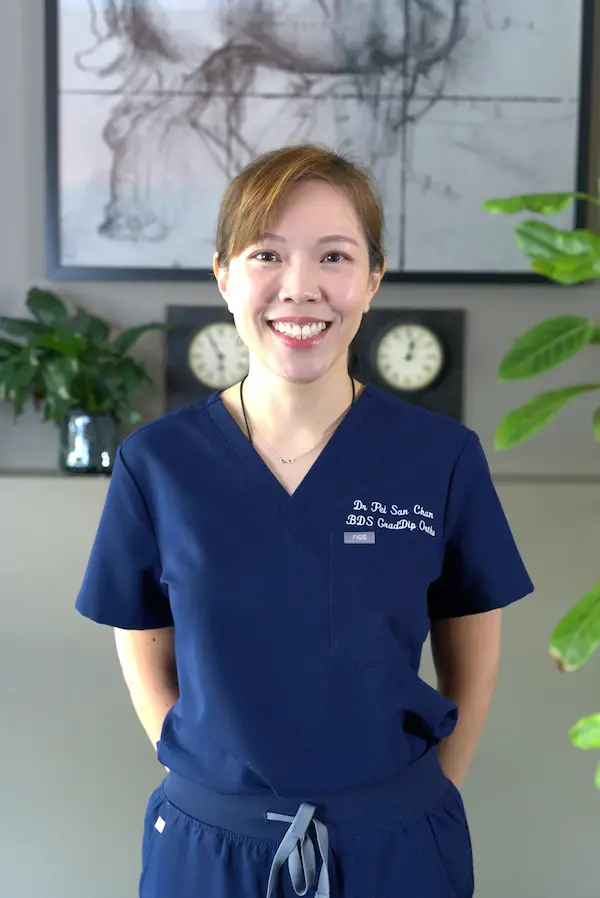
Dr Pei San Chan
Dentist
BDS (Adelaide), GradDip Orthodontics (JCU), DipOrtho (UJI). Warm, calm care for patients of all ages, including children and orthodontics.
Visit us
Find us on Brighton Road, Sandgate
119A Brighton RoadSandgate QLD 4017

FAQs
Denture questions
What is the difference between a partial and a complete denture?
A partial denture replaces some missing teeth while natural teeth remain. A complete denture replaces all the teeth in the upper or lower jaw.
What is an immediate denture?
An immediate denture is made before teeth are removed and fitted at the extraction appointment. It usually needs adjusting as the gums heal.
How many appointments does a denture take?
Usually several, depending on the type of denture and how complex your treatment is. Follow-up adjustments are common.
Are dentures uncomfortable?
New dentures can feel unfamiliar and may cause pressure spots at first. Adjustment appointments are common while your mouth adapts.
Can I sleep with my dentures in?
Dentures are generally best removed while you sleep, unless your dentist advises otherwise. This rests your gums and lowers the risk of inflammation and fungal infection.
Should I use toothpaste on my dentures?
Ordinary toothpaste can be abrasive and scratch acrylic. A denture brush with a suitable liquid soap or denture cleaner is generally better.
Can a loose denture be fixed?
Sometimes. An adjustment, reline or other modification may help. In other cases a new denture, or implant retention for suitable patients, may be the better option.
Do I need check-ups if I have no natural teeth?
Yes. Your mouth keeps changing, so the fit and condition of your denture and the tissues underneath should still be examined regularly.
Need to replace missing teeth?
Book a denture consultation at our Sandgate clinic, convenient for Brighton, Deagon, Bracken Ridge and the Redcliffe peninsula. We will assess your mouth and talk through your options.