MARPE and MSE Palatal Expansion in Sandgate
MARPE (Mini-Implant Assisted Rapid Palatal Expansion) and MSE (Maxillary Skeletal Expander) are appliances that use mini-implants to widen the upper jaw in suitable older teenagers and adults.
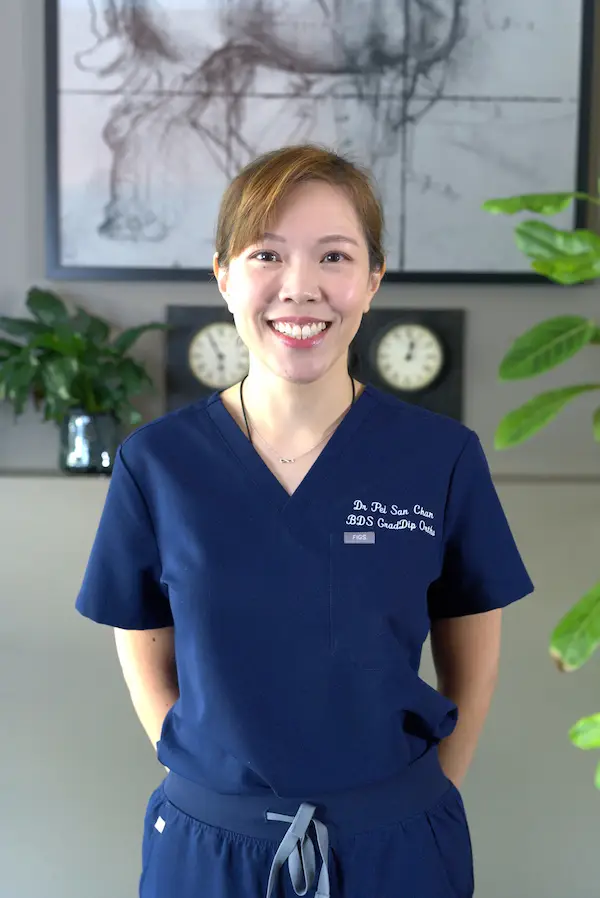
At Dental Seasons, MARPE and MSE are provided by Dr Pei San Chan, after an initial consultation, diagnostics including a 3D CBCT scan and a treatment presentation.
No referral is needed to book a consultation. Where it helps, we work with other specialists.
New patients welcome.


What are MARPE and MSE?
A palatal expander gently widens a narrow upper jaw. In children, a conventional expander works well because the two halves of the upper jaw have not yet fused. In older teenagers and adults, that joint, the midpalatal suture, has usually matured and is harder to open.
MARPE (Mini-Implant Assisted Rapid Palatal Expansion) and MSE (Maxillary Skeletal Expander) are expanders that are anchored to the bone of the palate with small mini-implants. This directs the force to the jaw rather than only the teeth.
MARPE is the general name for this approach. An MSE is a specific design of mini-implant supported expander.
Who may it suit?
A narrow upper jaw
An upper jaw that is narrow compared with the lower jaw, found on assessment and imaging.
Crossbite
Upper back teeth that bite inside the lower teeth, partly because of a narrow upper jaw.
Crowded upper teeth
Where there is too little room in a narrow upper jaw for the teeth.
A narrow smile
A narrow dental arch can show as dark corners when you smile.
Older teenagers and adults
Mainly when jaw growth is nearly or fully complete and a conventional expander is less likely to work.
Breathing concerns
Difficulty breathing through the nose should be assessed by your GP or an ENT specialist first.
An option when a conventional expander is less effective

Once jaw growth is nearly or fully complete, a conventional expander is often less effective, because the joint between the two halves of the upper jaw has matured.
MARPE and MSE use mini-implants to anchor the appliance directly to the bone of the palate, so the force goes to the jaw rather than only the teeth.
Whether it suits you is decided after assessment, and results vary between people.
Our step-by-step approach
Initial consultation
Dr Chan assesses your teeth, bite and jaws and discusses whether expansion could help.
Diagnostics
We collect records, including photographs, scans and a 3D CBCT scan, to assess your jaw in detail.
Treatment presentation
We explain our findings, the recommended plan, the risks and the alternatives, and answer your questions.
Fitting the appliance
The mini-implants are placed and the expander is fitted. You are shown how to activate it at home.
Expansion and reviews
You turn the expander as instructed, and we review your progress regularly.
Retention and next steps
The expander is kept in place for a period to hold the result. Braces or aligners are often recommended afterwards.
MARPE or MSE?
Both use mini-implants to anchor an expander in the palate. Dr Chan explains which design suits you after assessing your jaw, and why.
How long does it take?
It varies. In published studies, the active expansion phase has typically lasted from a few weeks to a few months, followed by a period of several months in which the expander is kept in place to hold the result.
Dr Chan gives you an estimate for your own treatment at your treatment presentation.
What to expect
Mini-implants are placed under local anaesthetic. You may feel pressure or soreness, particularly after activations, and your tongue and speech may take time to adjust. Eating may feel different at first, and soft foods can help early on.
A gap between the upper front teeth is common as the two halves of the upper jaw separate. It is often addressed with later orthodontic treatment.
Careful cleaning around the appliance and mini-implants is important, and we show you how.
Risks and limitations
Possible effects and limitations include:
- Soreness, pressure or discomfort
- A mini-implant loosening or failing
- Gum or tissue irritation or inflammation around the mini-implants
- Irritation of the tongue or cheeks
- Loosening or breakage of part of the appliance
- The upper jaw not widening as much as planned, particularly if the joint between the two halves is well fused
- A gap between the upper front teeth
- Effects on the teeth, such as tilting
- Some relapse over time
- Temporary changes to speech and eating
- Braces or aligners being needed afterwards
- Rarely, other treatment being needed if expansion is not achieved
We explain the risks that apply to you before you decide.
Alternatives
Depending on your age and jaw, alternatives may include:
- A conventional expander, mainly in growing children (see early orthodontic treatment)
- Surgically assisted palatal expansion, which involves surgery and an oral and maxillofacial surgeon
- Braces or clear aligners that move teeth to create space, without widening the jaw itself
- No treatment
Where other specialists are needed, we work with them.
What does the research say?
Published reviews suggest MARPE can widen the upper jaw in suitable late adolescents and adults. However, most studies are small and of limited quality, results vary, and complications can occur. That is why we assess each person carefully and explain the risks and alternatives before you decide.
Not a treatment for sleep apnoea
Palatal expansion is not a treatment for sleep apnoea. If you snore or suspect you have sleep apnoea, speak with your GP about a sleep study. See our page on sleep apnoea and snoring.
Related care
Read more about teeth straightening, early orthodontic treatment, Invisalign and dentofacial orthodontics.
MARPE and MSE in Sandgate
Dental Seasons is located at 119A Brighton Road, Sandgate QLD 4017.
We provide MARPE and MSE assessments for patients from Sandgate and surrounding North Brisbane and bayside suburbs, including Brighton, Deagon, Shorncliffe, Bracken Ridge, Boondall, Taigum, Nudgee, Zillmere, Fitzgibbon, Banyo, Virginia, Redcliffe, Woody Point, Clontarf, Margate and Newport.
Ask about health fund claims and payment options when you book.
MARPE and MSE questions
What is MARPE?
MARPE stands for Mini-Implant Assisted Rapid Palatal Expansion. It uses an expander anchored to the palate with mini-implants to gently widen a narrow upper jaw in suitable older teenagers and adults.
What is an MSE?
MSE stands for Maxillary Skeletal Expander. It is a specific type of mini-implant supported expander that is anchored in the roof of the mouth to widen the upper jaw.
Do I need a referral?
No. You can book a consultation with us directly. Where it helps, we work with other specialists.
Who may suit MARPE or MSE?
MARPE and MSE are mainly considered for older teenagers and adults whose jaw growth is nearly or fully complete and who have a narrow upper jaw. Suitability is decided after assessment and diagnostics.
What is the difference between MARPE and MSE?
Both use mini-implants to anchor an expander in the palate. MARPE is the general name for the approach, and an MSE is a specific design of mini-implant supported expander. Dr Chan explains which suits you.
Do I need a scan?
Yes. A 3D CBCT scan is taken during your diagnostics so Dr Chan can assess your jaw in detail. See our page on 3D CBCT imaging.
Is MARPE or MSE surgery?
It is not surgical expansion of the jaw. Small mini-implants are placed in the palate under local anaesthetic to anchor the expander. We explain the procedure and its risks at your treatment presentation.
How long does treatment take?
It varies. Active expansion typically takes from a few weeks to a few months, followed by a period of several months to hold the result. Dr Chan gives you an estimate for your own case.
Will I need braces afterwards?
Often, yes. Expansion widens the jaw, and braces or aligners are commonly recommended afterwards to fine-tune the position of the teeth. A gap between the front teeth is common and is often addressed this way.
Does MARPE or MSE treat sleep apnoea?
No. Palatal expansion is not a treatment for sleep apnoea. If you suspect sleep apnoea, speak with your GP about a sleep study.


Wondering whether MARPE or MSE could suit you?
Book an initial consultation with Dr Pei San Chan. We will assess your teeth, bite and jaws, explain whether palatal expansion could help and discuss the alternatives.
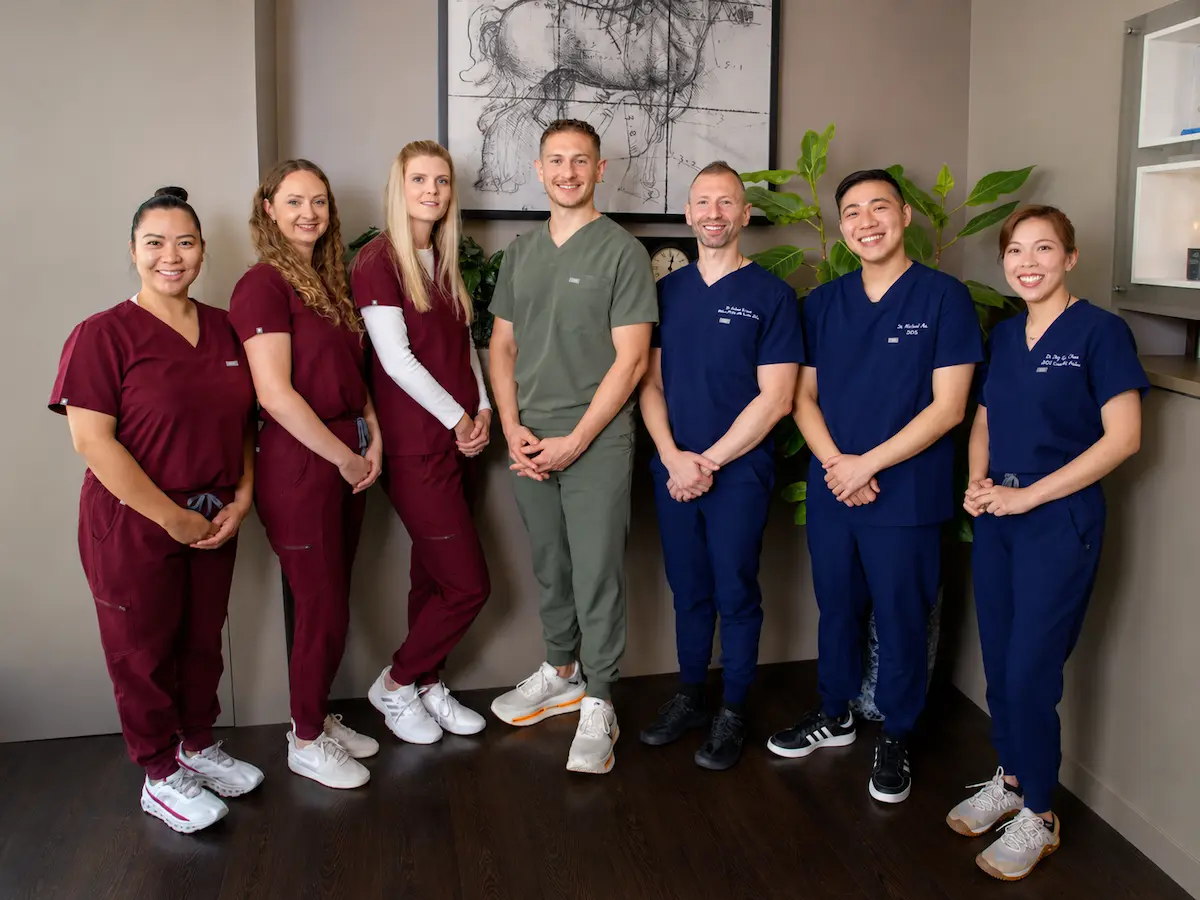
Meet Dr Chan and the team
Dr Pei San Chan provides MARPE and MSE at Dental Seasons. She has additional training in orthodontics and dentofacial orthopaedics and is a registered dentist with general registration (Ahpra DEN0001854687). Check the Ahpra register.